
Solar is the future … so what’s the future of solar?
Solar is losing federal funding. What does that mean for you?
First things first: what are we actually losing?
The residential tax credit expires at the end of 2025. That means purchased systems must be installed before 2026 to claim the 30% ITC.
The commercial tax credit expires at the end of 2027. That means systems must be installed and commissioned before 2028 to claim the 30% ITC.
In addition to this, several federal grants and loans pertaining to solar have been cancelled.
This is substantial, but it does not mean solar as an industry is doomed, especially not in New England.
This may seem counter-intuitive, as New England isn’t exactly known for its sunny skies.
But New England residents pay some of the highest electrical rates in the country. In Connecticut alone, utility rates have doubled in the last 20 years.
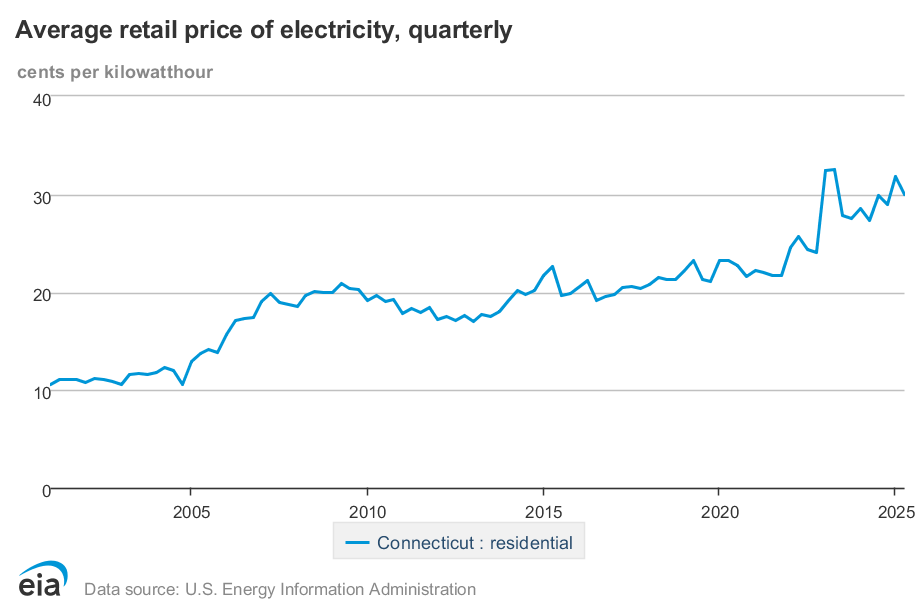
Even without the 30% tax credit, solar panels are the most cost-effective way to produce electricity. In the long term, solar always costs less than the utility.
As for the short term, you still have options.
Commercial solar still qualifies for tax credits through the end of 2027. Large-scale projects come with a lengthier application process, so we highly recommend scheduling your consultation as soon as possible.
Residential solar leases and Power Purchase Agreements (PPA’s) are also considered commercial solar, and they don’t take nearly as long to install. This means homeowners can reap the benefits of the tax credit without purchasing the system directly.
All that being said, general information can only be so helpful.
Solar is an individualized product.
Contact us to learn what going solar would mean for you!